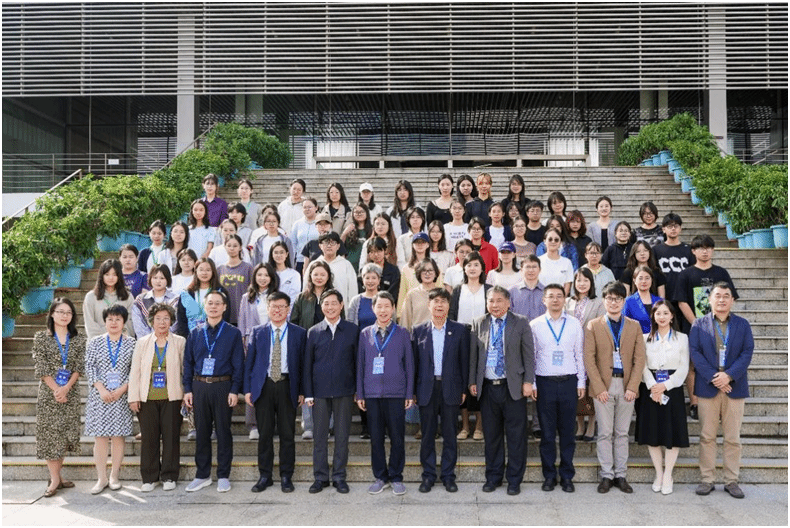
The Symposium on AI Empowerment and Modal Innovation: Exploring a New Multimodal Research System in Foreign Language Education was held on October 25 at Shenzhen University (SZU).
The event was co-hosted by the College of International Studies of SZU and the research team of the project “Exploring a New Multimodal Teaching and Research System for French under the Vision of New Quality Productive Forces”. Scholars from English, French, Japanese, and Spanish studies gathered to discuss how AI is reshaping foreign language education.
Wang Yongcheng, SZU Vice President, emphasized that emerging technologies such as AI are transforming the education landscape and that foreign language teaching should integrate intelligent technologies to foster innovative talent.
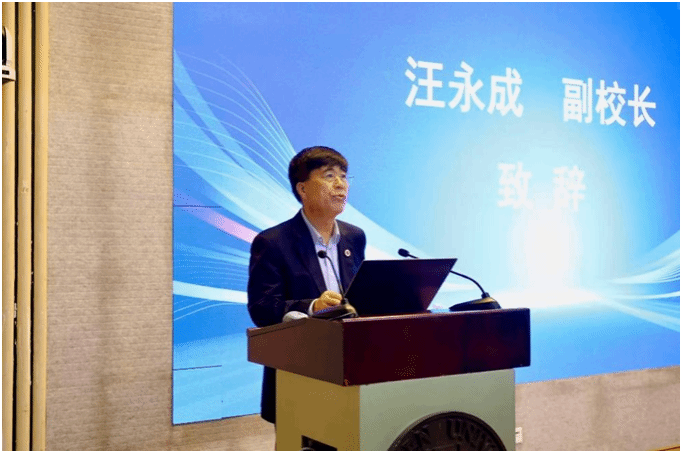
Dai Yonghong, Dean of the College of International Studies, noted that the college is building a new system of “Foreign Languages + AI + Country and Region Studies,” combining technological advancement with humanistic depth and warmth.
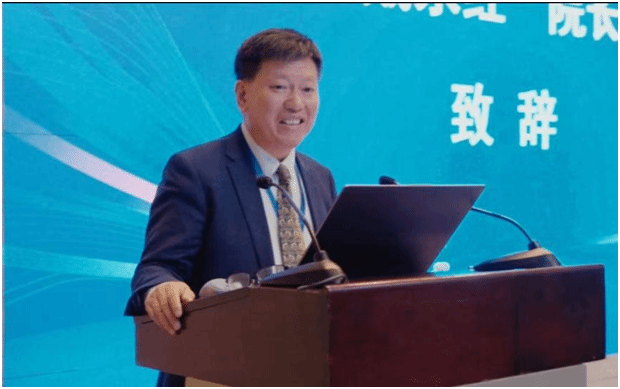
Keynote speakers shared diverse insights.
Hu Sishe, Standing Committee Member of the 14th CPPCC National Committee, and former Vice President of the Chinese People’s Association for Friendship with Foreign Countries, highlighted that AI is transforming foreign language programs from training language-skill-based learners toward cultivating interdisciplinary, humanistic, and technology-aware professionals.
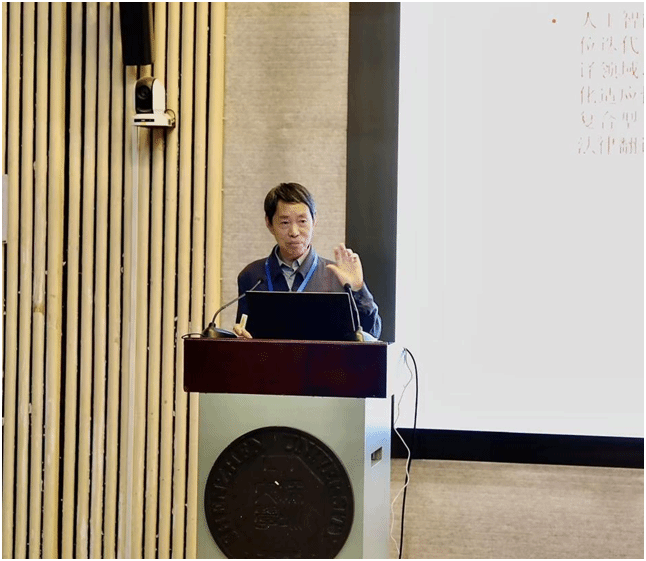
Professor Ning Yizhong from Beijing Language and Culture University introduced a “12+3” multidimensional modal framework and called for vigilance against AI misuse to preserve the essence of education.
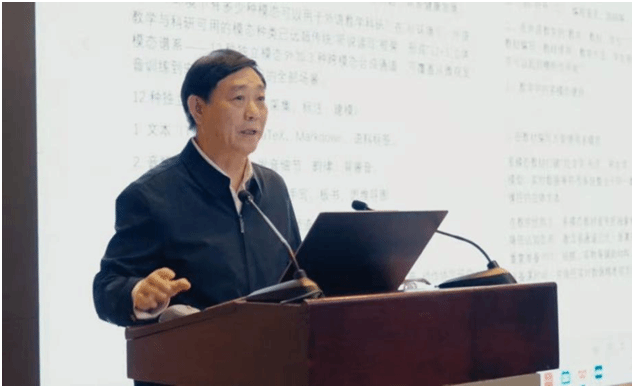
Professor Guo Lianyou, former Director of the Center for Japanese Studies at Beijing Foreign Studies University, showcased the innovative use of CiteSpace software in area studies and outlined the promising prospects of digital humanities in language research.
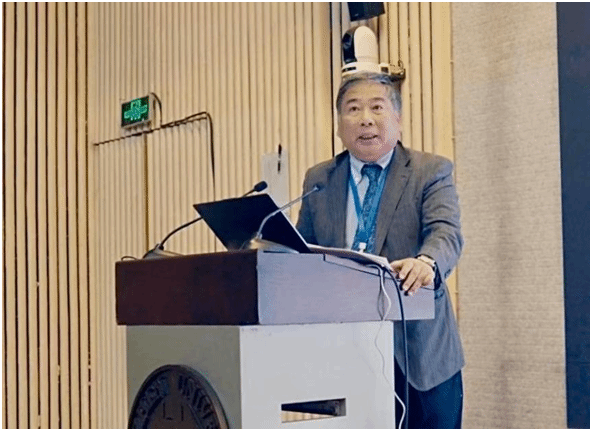
Wang Xiuli, Head of the Department of French at Beijing Language and Culture University, examined both the strengths and limitations of technology-enhanced teaching, noting that high-tech tools can extend teachers’ intellectual capacity when used rationally to support professional growth.
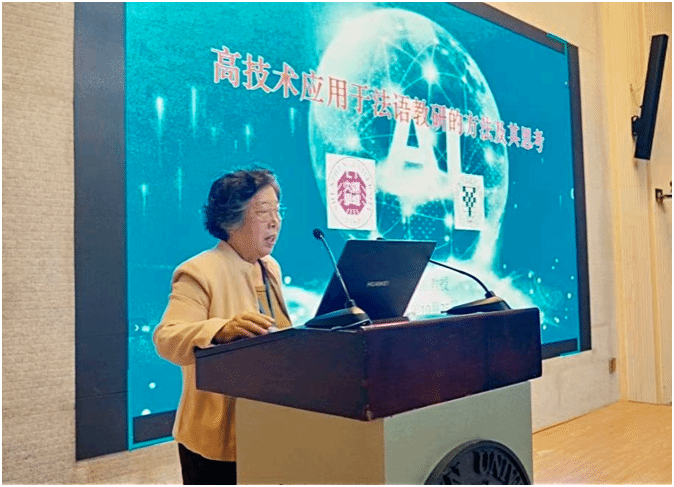
Zhang Chi, Distinguished Professor at Hunan Normal University, advocated building a new research and teaching framework for foreign languages in the AI era through interdisciplinary integration and multimedia empowerment, cultivating innovative, critically minded, and autonomous learners.
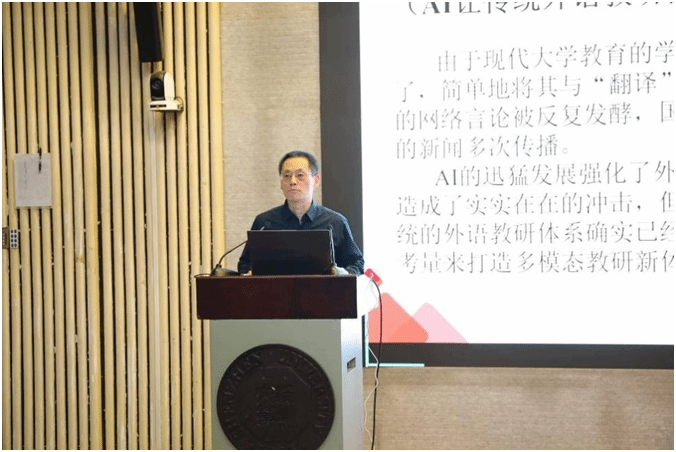
Chen Xing, Associate Dean of the School of Western Languages and Cultures at Guangdong University of Foreign Studies, explained that AI is driving a transformation in foreign language courses and teaching materials from “tools” to “ecosystems.”
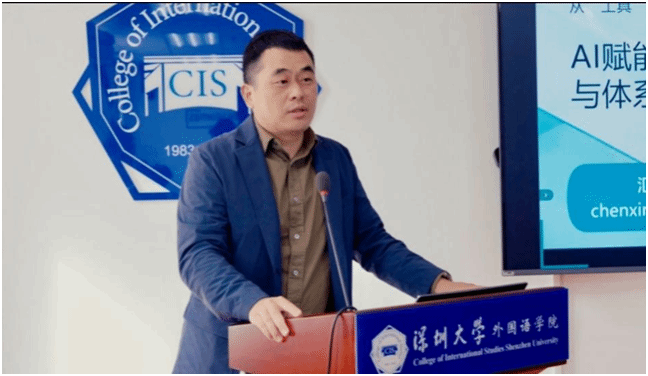
Zhao Jia, Director of the Institute of French Language and Culture at Zhejiang University, introduced interdisciplinary programs such as “French + Engineering” and discussed how digital intelligence empowers teachers’ research capacity, demonstrating a “strategic, intelligent, and cross-disciplinary” training model.
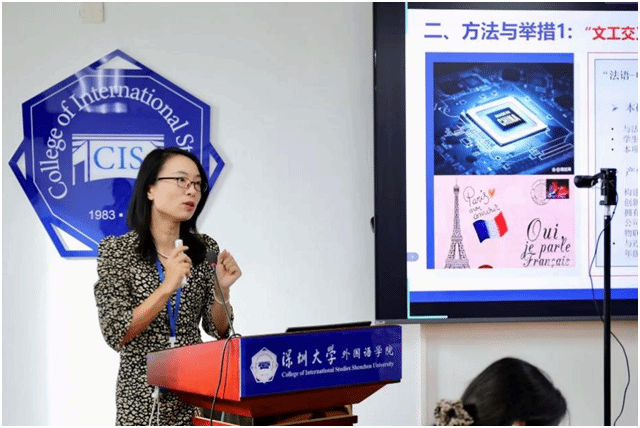
Zeng Xiaoyang, Head of the Department of French at Sun Yat-sen University, stressed the importance of designing differentiated AI application models for various educational stages and reiterated that teaching innovation must uphold the principle that “technology serves humanity.”
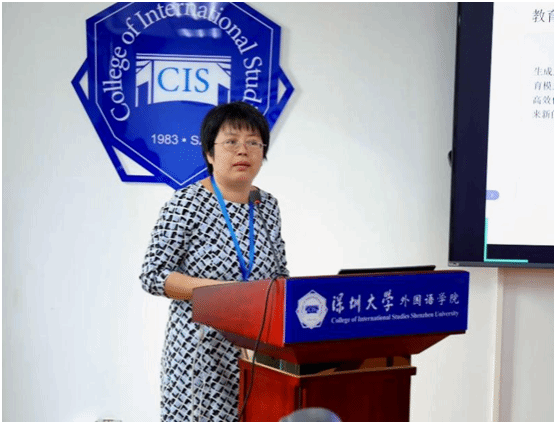
Wang Jia, Associate Dean of the School of Foreign Languages at Central China Normal University, emphasized that foreign language education reform should uphold integrity and innovation, serve national strategies, and promote inclusiveness and sustainable development.
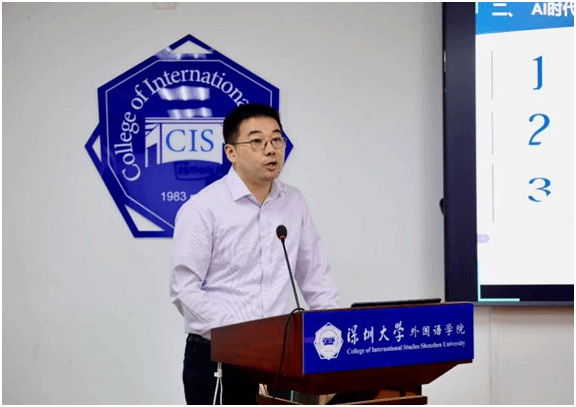
Chen Jie, Associate Dean of the School of Foreign Languages and Literature at Fudan University, shared experiences in developing dual-degree programs in “Foreign Languages + Computer Science”, exploring collaborative models of interdisciplinary education.
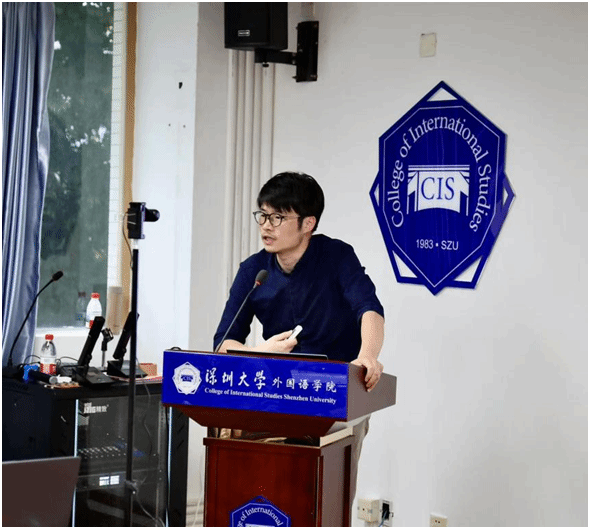
Finally, Weng Bingying, Assistant Dean of the College of International Studies at SZU, shared insights from French course practices, demonstrating how “AI empowerment guided by ethical values” can be applied in curriculum design and implementation.
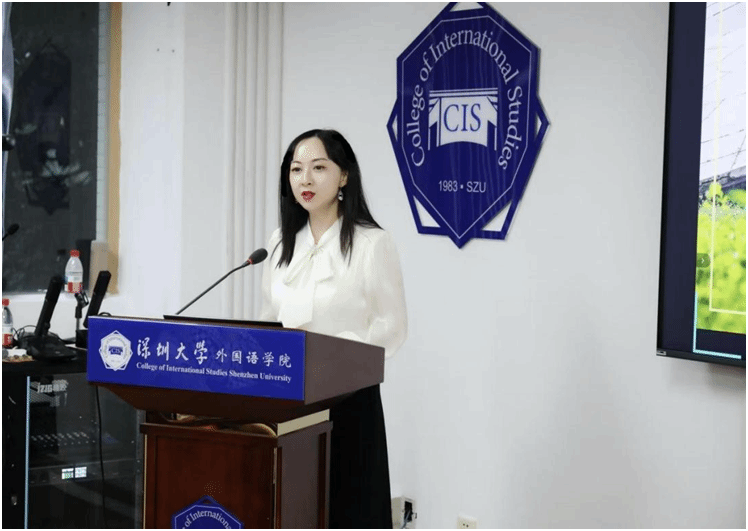
The symposium facilitates dialogue on the integration of AI and language education. Looking ahead, the College of International Studies at SZU will continue to build platforms for exchange, deepen AI-language integration, and explore new paths for the digital transformation of foreign language education with Chinese characteristics.