As the wave of artificial intelligence surges forward, how can foreign language education chart a new course? Recently, Shenzhen TV conducted a special interview with Associate Professor Zhang Danyang and Assistant Professor Li Danling from the School of Foreign Languages, Shenzhen University, focused on their co-taught course AI-Enabled Innovation and Practice in Foreign Language Learning to explore innovation and practice in foreign language education amid the AI era. Centered on the philosophy of "technology empowering,culture shaping", the course draws on the teaching team’s extensive research expertise in foreign language education technology and AI-assisted language teaching. Adopting Project-Based Learning (PBL) as its core framework, it establishes a modular teaching system integrating "theoretical Foundations + technical Practice + AI Empowerment + cross-cultural communication", balancing cutting-edge insights and practical application. Its goal is to cultivate international compound innovative foreign language talents who "master language, understand culture, command technology, and embrace innovation".
The AI and gamified teaching module featured in the Shenzhen TV report deeply integrates artificial intelligence with gamified design into foreign language instruction, creating an immersive and creative learning experience. As one of the course’s core practical components, it epitomizes interdisciplinary integration and innovative ideological and political education, exploring a new paradigm for foreign language talent cultivation in the AI era and demonstrating the school’s proactive efforts in interdisciplinary teaching innovation and reform of talent development models.
In the special class on AI and gamified teaching, the instructional team broke away from the one-way input model of traditional foreign language ed6ucation. Taking "Greater Bay Area Culture" as the central theme, it combined gamified learning theories (flow theory, self-determination theory) with AI technologies. In class, students not only systematically studied classic models and methods of gamified design but also, under faculty guidance, used AI tools to complete key tasks such as drafting game storylines, shaping intelligent NPC characters, and generating personalized assignments, shifting from "passive learning" to "active creation".
Using platforms including Tencent Yuanqi, the team led students to experience Who is the Murderer, an AI-powered game demo, helping them intuitively grasp the design logic of gamified teaching. Students then worked in collaborative groups to develop complete AI-enabled foreign language learning game projects themed around distinctive Greater Bay Area cultures, including Cantonese, Hakka, and Chaoshan cultures, integrating language application, cultural communication, and technical practice. Through this process, students strengthened their foreign language proficiency, teamwork, and creative design capabilities, while deepening their understanding of fine traditional Chinese culture and enhancing cultural confidence and a sense of mission in cross-cultural communication.
Faced with widespread discussions and doubts about foreign language learning in the AI era, Associate Professor Zhang Danyang stated in the Shenzhen TV interview that AI replaces language tools but can never replace the core values of human. Whereas traditional foreign language learning focused on linguistic mastery itself, foreign language learning in the new era centers on using language for empathetic communication, cultural understanding, and complex decision-making — the irreplaceable essence of foreign language disciplines. The course was not created merely to follow technological trends, but to help students embrace AI without fear, use it effectively as a "super study partner", and transform language learning from repetitive drills into creative practice, ultimately achieving competency growth "rooted in linguistic foundations and empowered by AI technology".
Assistant Professor Li Danling added that the course consistently emphasizes the critical use of AI tools, embedding ethical discussions into gamified design and AI practice to foster a value system of technology for good. This "technology + humanities" teaching philosophy equips students with AI proficiency while preserving independent judgment and innovative thinking, preventing over-reliance on technology and truly enabling them to "master AI rather than be dominated by it".
As an interdisciplinary innovative course, AI-Enabled Innovation and Practice in Foreign Language Learning integrates knowledge from educational technology, linguistics, design, computer science, and other disciplines. It employs diverse teaching methods including blended learning, workshop-based practice, and tiered task design, establishes a diversified assessment system combining "process evaluation + outcome presentation", and incorporate practical outputs such as AI digital posters, AI video productions, and gamified project designs into the assessment. This comprehensively develops students’ technological application, critical reflection, and academic expression abilities. Since its launch, the course has been highly popular among students, effectively stimulating innovative vitality in foreign language learning and providing replicable, scalable teaching experience for the digital transformation of foreign language majors.
The special coverage by Shenzhen TV affirms the teaching innovation of the School of Foreign Languages, Shenzhen University. Moving forward, the school will continue to uphold the fundamental task of fostering virtue through education, align with the demands of the times, deepen interdisciplinary teaching reform, and advance the deep integration of frontier technologies such as artificial intelligence and big data with foreign language education. It will keep exploring new pathways and methods for foreign language talent cultivation in the AI era, striving to nurture interdisciplinary foreign language professionals with solid linguistic skills, cutting-edge technological literacy, profound humanistic values, and global vision, thus contributing the strength of Shenzhen University to international communication and cultural exchange in the Guangdong-Hong Kong-Macao Greater Bay Area.
Introduction to the Course Teaching Team

Zhang Danyang
Associate Dean, Associate Professor, Distinguished Research Fellow and doctoral supervisor of the College of Foreign Languages at Shenzhen University, as well as a high-caliber overseas talent in Shenzhen. She earned her PhD in Education from the University of Cambridge and dual master’s degrees in Applied Linguistics and Educational Technology from University College London. She has presided over a wide range of vertical research projects at all levels, including projects funded by the National Social Science Fund of China, a key foreign language informatization project under the Philosophy and Social Science Planning Program of Guangdong Province, a research project under the Educational Science Planning Program of Guangdong Province (Higher Education Special Program), an innovation program for postgraduate education of the Department of Education of Guangdong Province, a construction project for teaching quality and reform in undergraduate universities of Guangdong Province, and a key project under the 14th Five-Year Plan for Educational Science Research of Shenzhen. She has published more than 30 high-level academic papers in SSCI and CSSCI journals. She currently serves as a council member of the Committee on Language Intelligence and Teaching and the Committee on Foreign Language Educational Technology under the China Association for Comparative Studies of English and Chinese, a council member of the Pacific Association for Computer-Assisted Language Learning (PacCALL), and an editorial board member of ReCALL, a Q1 SSCI journal. She has been honored with the Shenzhen University Youth Pioneer Medal, Outstanding Young Postgraduate Supervisor of Shenzhen University, Excellent Undergraduate Teacher of Shenzhen University, and Excellent Internship Supervisor of Shenzhen University. As a key participant, she has received the Second Prize of the 2025 Higher Education Teaching Achievement Award of Guangdong Province, the Special Prize of the 5th Shenzhen Higher Education Teaching Achievement Award in 2024, and the Special Prize of the 1st Yantian District Basic Education Teaching Achievement Award in 2023.
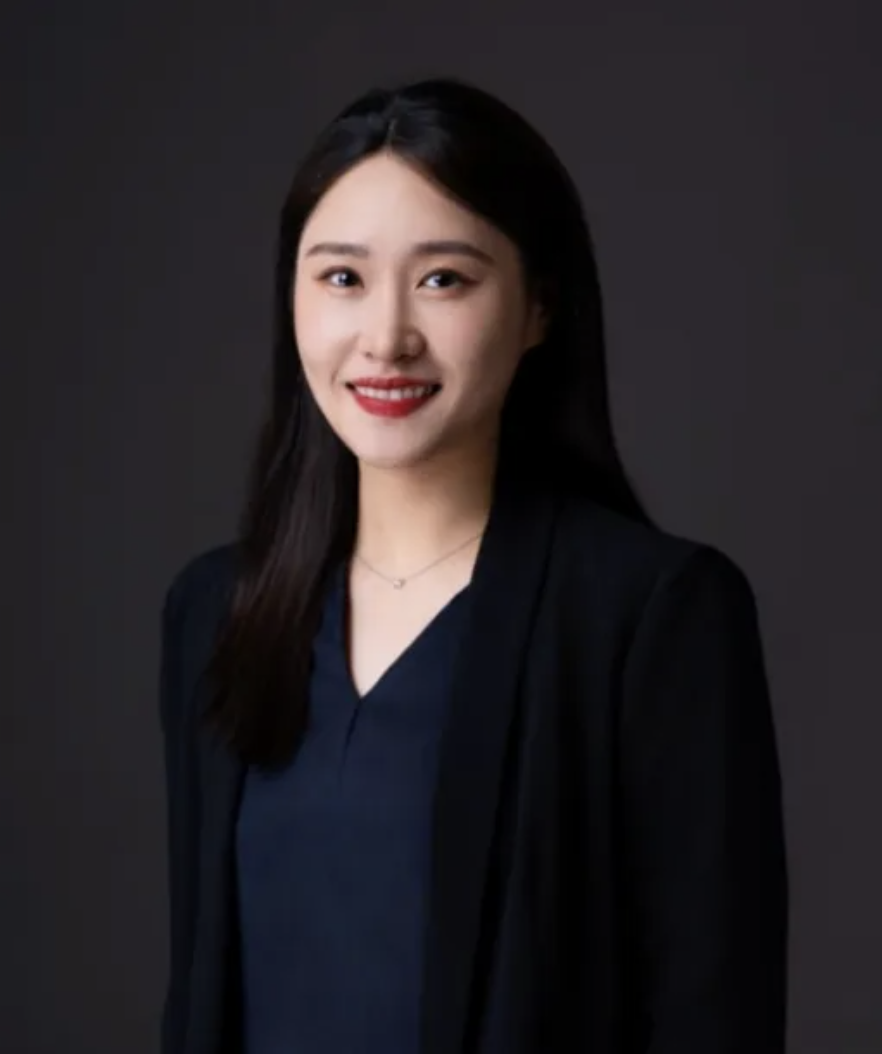
Li Danling
Assistant Professor and Master’s supervisor at the College of Foreign Languages, Shenzhen University, and a high-caliber overseas talent in Shenzhen. She earned her PhD in Education from the University of Hong Kong. She has presided over and participated in a number of provincial and municipal educational research projects and achieved fruitful results. In recent years, she has published more than 20 academic papers in SSCI journals including Computers & Education, International Journal of Educational Technology in Higher Education, British Journal of Educational Technology, Computer Assisted Language Learning, Interactive Learning Environments, Innovation in Language Learning and Teaching, Language Learning & Technology, System, RELC Journal, Studies in Higher Education, Higher Education Research & Development, and Research Evaluation. She currently serves on the Early Career Researcher Board of Higher Education Quarterly. Her research achievements have won the First Prize for Outstanding Achievements in Higher Education Research of Guangdong Province.


